Top Mineral Admixtures for 2026 What Buyers Need to Know
As the construction industry evolves, the demand for high-performance materials is surging. Mineral Admixtures play a crucial role in enhancing concrete's strength, durability, and sustainability. According to a recent report by the Global Cement and Concrete Association, the market for mineral admixtures was valued at approximately $15 billion in 2023 and is expected to grow significantly by 2026.
Industry expert Dr. Emily Farnsworth highlights, “The right mineral admixture can transform the properties of concrete and reduce its carbon footprint.” This emphasizes the importance of understanding and selecting appropriate admixtures. However, with so many options available, buyers face challenges. The effectiveness of a mineral admixture can vary greatly depending on specific project requirements.
New entrants in the market may struggle to identify reliable suppliers and products. Concrete producers often encounter issues with inconsistent quality or performance. Surveys indicate that 45% of buyers cite quality assurance as their top concern. Awareness of regional materials and best practices is vital for informed purchasing decisions. The journey towards selecting the best mineral admixture requires both expertise and careful consideration.
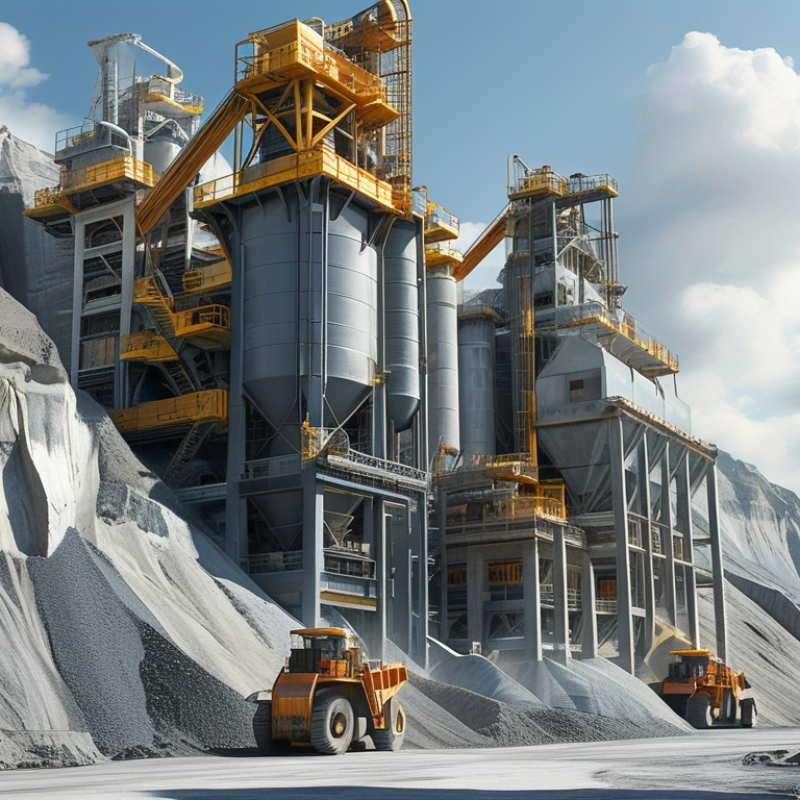
Overview of Mineral Admixtures in Construction Materials
Mineral admixtures play a crucial role in modern construction. They enhance the properties of concrete and other materials. Common mineral admixtures include fly ash, silica fume, and slag. Each of these materials brings unique benefits to the mix. Fly ash improves workability and reduces the carbon footprint. Silica fume boosts strength and durability. Slag increases resistance to cracking and chemical attacks. Despite their advantages, the selection process is not straightforward.
Not all mineral admixtures are created equal. Factors such as source variability and processing conditions influence their performance. Buyers should conduct thorough testing before making decisions. Also, compatibility with other materials is crucial. Some admixtures may not interact well, leading to weaker structures. Furthermore, regulations can impact availability. Keeping up with local building codes can be overwhelming.
A well-informed approach is necessary when selecting mineral admixtures. It is important to understand the specific needs of a project. Misjudgments in choice can lead to costly repairs down the line. Consulting with experts can provide valuable insights. They can help navigate the intricacies of material selection, ensuring better outcomes for your construction projects.
Key Benefits of Using Mineral Admixtures for Durability and Performance
As the construction industry evolves, the use of mineral admixtures is becoming increasingly essential for enhancing durability and performance. Reports from the American Concrete Institute indicate that incorporating pozzolanic materials can improve concrete's compressive strength by up to 30% while simultaneously reducing permeability. This leads to structures that withstand harsh conditions over time, ultimately boosting longevity.
Mineral admixtures also contribute significantly to sustainability. Studies show that utilizing ground granulated blast-furnace slag (GGBFS) can cut greenhouse gas emissions from concrete by about 50%. Additionally, incorporating silica fume can increase resistance to chemical attacks, further prolonging the life of concrete structures. These benefits align well with the industry's push for greener practices.
When considering mineral admixtures, it's critical to assess the specific needs of the project. The performance benefits are significant, but the compatibility with existing materials must be evaluated carefully. Some mixes may require adjustments in the water-to-cement ratio or other properties to achieve optimal results. Evaluate your concrete mix designs regularly to ensure performance meets expectations. Regular testing and adjustments may prevent potential failures down the line.
Trending Mineral Admixtures to Watch in 2026
As the construction industry evolves, mineral admixtures are gaining attention. These materials enhance the performance of concrete. In 2026, several trending options are emerging, each with unique benefits.
One noteworthy type is silica fume. It improves strength and durability, making it ideal for high-performance applications. Additionally, ground granulated blast-furnace slag boosts resistance to sulfate attack. This quality is crucial in areas where concrete is exposed to harsh environments. Both silica fume and slag provide sustainability benefits by utilizing industrial by-products.
Another option gaining traction is fly ash. Its pozzolanic properties enhance workability and reduce water demand. However, variability in quality remains a concern. Buyers need to seek reliable sources to ensure consistency. Understanding these mineral admixtures is vital for optimizing concrete performance in the coming years. The right choice will depend on project requirements and environmental considerations.
Factors Influencing Selection of Mineral Admixtures for Buyers
When considering mineral admixtures for construction projects in 2026, buyers should prioritize several influencing factors. First, the performance characteristics of these materials play a significant role. Research indicates that using mineral admixtures can enhance concrete strength by up to 30%. This can lead to longer-lasting structures, which is a key concern for many contractors.
Industry reports show that environmental sustainability is another crucial consideration. Buyers are increasingly looking for materials that minimize their carbon footprint. For instance, supplementary cementitious materials can reduce emissions by approximately 40% compared to traditional cement. As sustainability practices grow, understanding the environmental impact becomes essential.
It's also vital to assess the compatibility of mineral admixtures with existing materials and local conditions. Assessment can save time and money in the long run. Buyers should conduct thorough testing to ensure the selected admixture performs optimally in specific environments. Utilizing industry-specific guidelines can aid in this evaluation.
Buyers should remember that not all mineral admixtures work equally well in every scenario. Continuous research into performance and innovations in the field can provide valuable insights. Consider reviewing case studies or existing applications in your region to understand better what may suit your needs.
Regulatory Considerations for Mineral Admixture Usage in Projects
When considering the use of mineral admixtures in construction, regulatory factors play a critical role. Understanding local building codes is essential for compliance. These regulations can vary significantly between regions. As a result, professionals should familiarize themselves with guidelines that govern material usage in their area. Each project may face different requirements based on local environmental standards.
Quality control is another important aspect. Many jurisdictions require testing of mineral admixtures to ensure they meet safety and performance criteria. Buyers should prioritize suppliers with a proven track record in quality assurance. This reduces risks associated with non-compliance and project delays. Additionally, it is pivotal to stay updated on changes in regulations. Such updates can affect how materials are sourced and used.
While manufacturers often provide documentation, thorough verification is necessary. Documentation may not always reflect the most current regulations. Buyers should be proactive in seeking clarification from local authorities. This approach can prevent missteps and enhance project reliability. Ultimately, blending regulatory knowledge with sound sourcing practices is vital for successful project outcomes.
