Top Tips for Choosing the Best Class B Autoclave for Your Needs?
Choosing the right Class B Autoclave is crucial for healthcare and laboratory efficiency. Reports indicate that proper sterilization is critical, with over 80% of infections linked to improperly sanitized tools. A reliable Class B Autoclave can greatly mitigate these risks. These devices provide deep sterilization, ensuring all microorganisms are eradicated.
Many professionals cite the importance of selecting equipment tailored to specific needs. It’s vital to consider the autoclave's capacity, cycle time, and features. Inadequate equipment may lead to operational delays. Moreover, different industries require varying levels of sterilization. This complexity can confuse buyers, especially when many options exist.
Investing in a high-quality Class B Autoclave is not just a matter of meeting regulations. With the right research and understanding of your requirements, you can greatly enhance safety and efficiency. Make informed decisions based on data and expert reviews. Consideration of these factors will lead to improved outcomes in operating rooms and laboratories.
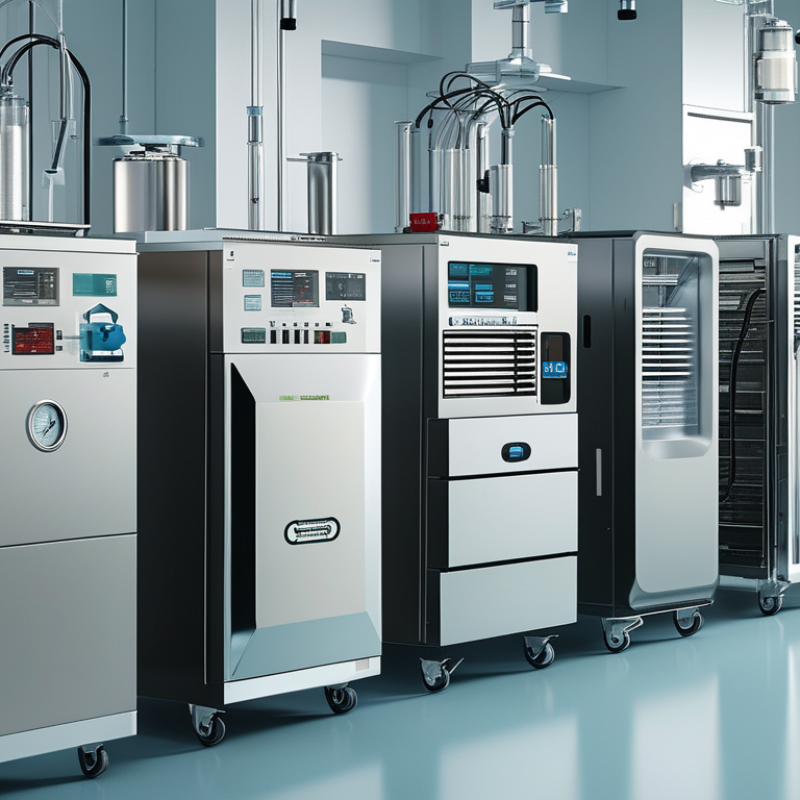
Understanding the Basics of Class B Autoclaves and Their Applications
Class B autoclaves are crucial in various fields, particularly in healthcare and research. They operate at higher temperatures and pressures to ensure sterilization of equipment and materials. Understanding their functionality can enhance the safety and efficiency of sterilization processes. According to industry data, approximately 80% of healthcare-associated infections can be prevented with effective sterilization techniques, highlighting Class B autoclaves' importance.
These autoclaves excel in sterilizing porous loads like wrapped instruments, porous materials, and liquids. They utilize vacuum cycles to remove air from the chamber before steam penetration occurs. According to a report by the World Health Organization, about 70% of surgical site infections stem from inadequate sterilization practices. Thus, investing in a reliable Class B autoclave is essential for maintaining hygiene standards.
Choosing the right Class B autoclave involves careful consideration of factors such as load capacity and cycle time. Many facilities underestimate the importance of validating their sterilization process. Regular monitoring and testing are necessary to ensure that the autoclave operates efficiently. Additionally, failure to maintain adequate records can lead to compliance issues. This reflection can guide improvements in choosing the right equipment to meet specific sterilization needs.
Key Features to Consider When Selecting a Class B Autoclave
When selecting a Class B autoclave, several key features are vital for optimal performance. First, consider the sterilization cycles available. An ideal autoclave should offer multiple cycle options to suit diverse materials and loads. Efficient sterilization improves safety and compliance. Make sure to check the cycle time as well. Rapid cycles can enhance productivity in a busy environment.
Another important feature is the cooling method. Automatic drying or cooling can save time and ensure that items are ready for use quickly. Some models use advanced drying techniques to minimize moisture. Pay attention to the chamber design as well. A well-designed chamber promotes even steam circulation, enhancing the efficacy of sterilization.
Tips for choosing involve assessing usability. An interface should be intuitive. Complex systems can lead to user errors. Examine the maintenance requirements too. Regular servicing is crucial, yet cumbersome maintenance can lead to downtime. Take time to investigate your specific needs and reflect on prior experiences with autoclaves. Each feature plays a role in achieving reliable sterilization.
Industry Standards and Certifications for Class B Autoclaves
When selecting a Class B autoclave, industry standards and certifications play a crucial role. These measures ensure that the device meets safety and efficiency requirements. Look for certifications from recognized organizations, such as the FDA or ISO. These guarantees provide peace of mind and validate the effectiveness of the autoclave.
Understanding the key features is essential. Consider the size, cycle times, and user interface. A good autoclave should be easy to operate and manage. Look for models with clear displays and straightforward controls. Testing features are also important, as they validate the sterilization process.
It’s wise to seek feedback from current users. Their experiences can highlight potential pitfalls. Be aware that even certified equipment may have flaws. Researching and asking about common issues can save time and effort. Pay attention to customer support and warranties. These can be indicative of the manufacturer's commitment to quality.
Analyzing Capacity and Size Requirements for Your Autoclave Needs
When choosing a Class B autoclave, understanding your capacity and size requirements is crucial. The CEN/TC 206 report shows that various medical and laboratory applications have different needs. For example, offices performing minor surgical procedures often require autoclaves with chambers of 18 to 25 liters. Larger facilities, such as hospitals, may need units holding 50 liters or more. Considering these specifications helps in making informed decisions.
The physical dimensions of the autoclave can also impact workflow efficiency. A compact unit saves space but may limit processing capacity. Conversely, a larger autoclave can lead to longer processing times for smaller loads, wasting resources. Each facility must consider its unique layout. Properly analyzing the location and space can help avoid future inconveniences.
In evaluating your autoclave needs, staff training is often overlooked. Employees familiar with the equipment can help determine actual capacity requirements by tracking usage over time. Underestimating or overestimating these needs can lead to operational inefficiencies. Regular reviews will ensure that the autoclave chosen remains suitable for evolving needs and demands.
Evaluating Cost-Effectiveness and Maintenance of Class B Autoclaves
When evaluating cost-effectiveness and maintenance of Class B autoclaves, it’s vital to consider long-term investments. Recent industry reports suggest that the total cost of ownership (TCO) over a decade can vary significantly. The initial purchase price is just one part of this equation. Regular maintenance costs can add up, especially if parts wear out or if the autoclave is used frequently. Experts recommend budgeting at least 10% of the initial cost annually for maintenance.
Choosing a Class B autoclave involves more than price tags. Identify the frequency of use and the types of materials you'll sterilize. Data shows that autoclaves with advanced features tend to have lower operational costs. However, these features may drive up the initial cost. It's crucial to find a balance between advanced capabilities and practicality.
Tip: Always check the maintenance options available. An autoclave that is difficult to service might incur higher costs down the line. Engage with other users in the field to gauge their maintenance experiences. Learning about potential pitfalls can help you make informed decisions. Failure to account for these aspects could lead to unexpected expenses.
