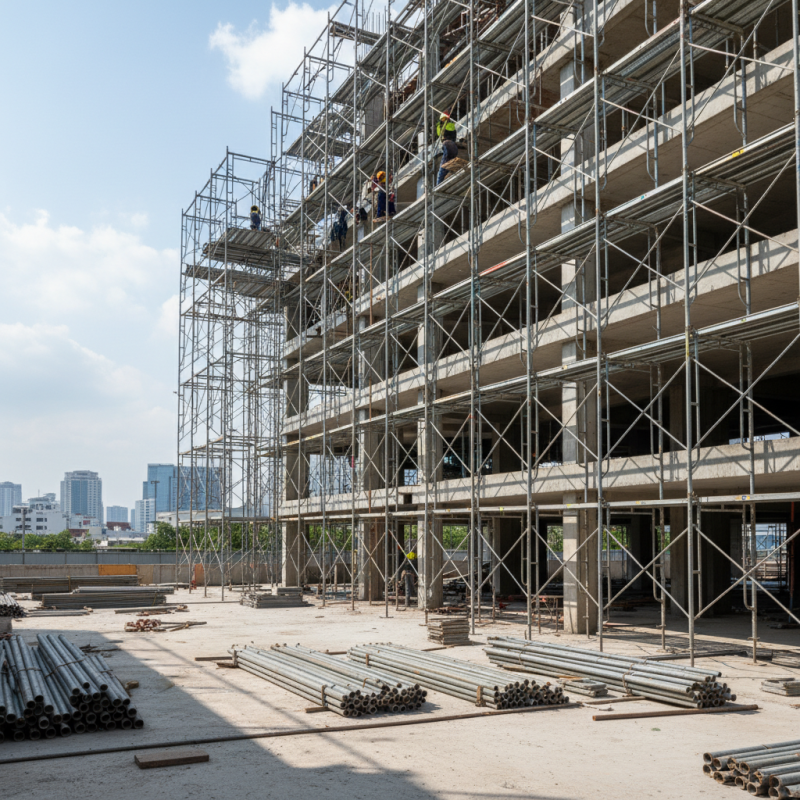
How to Choose the Best Steel Scaffolding for Your Project?
Choosing the right Steel Scaffolding is crucial for any construction project. Steel scaffolding provides support and safety during various tasks. The right choice ensures durability and cost-effectiveness. Understanding your project’s needs is the first step.
Different projects require different types of scaffolding systems. Consider aspects like height, load capacity, and configuration. These factors greatly influence your decision. Also, evaluate the experience of your scaffolding supplier. An experienced supplier offers reliable advice and high-quality products.
Safety must always be a top priority when using steel scaffolding. Review safety certifications and compliance with local regulations. Remember that not all scaffolding systems are created equal. Mistakes in selection can lead to delays and increased costs. Therefore, careful consideration is necessary to avoid these pitfalls.
Understanding the Different Types of Steel Scaffolding Available
When selecting the right steel scaffolding for your project, understanding the various types available is crucial. There are system scaffolds, modular scaffolds, and traditional tube and clamp scaffolds. Each type has its unique advantages and limitations. For instance, system scaffolds are designed for quick assembly, often enhancing productivity on site. Modular scaffolds, on the other hand, allow for versatile setups, catering to different building configurations.
Consider the specific needs of your project before making a choice. If you require flexibility for various heights and structures, modular scaffolding might be the best fit. Alternatively, traditional tube and clamp scaffolds offer adaptability but can be labor-intensive to set up. Weighing productivity against setup time is essential.
Tips: Always inspect your scaffolding components before use. Look for rust, bends, or other signs of damage. If in doubt about the load capacity, consult a qualified engineer. Ensure that all safety standards meet local regulations—this cannot be overlooked. Remember, the right scaffolding not only enhances efficiency but also ensures worker safety.
Evaluating Load Capacity and Safety Standards for Your Project
When selecting steel scaffolding, evaluating load capacity and safety standards is crucial. Load capacity determines how much weight scaffolding can support. It is essential to ensure that the chosen scaffolding fits the specific needs of your project. Consider these factors: the weight of materials, the number of workers, and the types of tools being used.
Ensure the scaffolding complies with local safety regulations. Familiarize yourself with the standards set by recognized authorities. This can prevent accidents and ensure a safer work environment. Make sure to check if the scaffolding has been tested for stability and strength. A thorough understanding of safety standards will enhance your project's credibility.
Tips: Before finalizing your scaffolding choice, gather expert opinions. Talk to professionals with experience and knowledge in safety regulations. Always inspect the scaffolding before use. Signs of wear or damage should never be ignored. Remember, safety is paramount, and cutting corners can lead to severe consequences.
Choosing the Right Size and Configuration for Your Construction Needs
When selecting the right size and configuration of steel scaffolding, it’s crucial to assess your specific construction needs. Different projects require varying heights and widths. A thorough understanding of your workspace enhances safety and efficiency. For instance, a high-rise building may need a larger supporting base compared to a single-story renovation.
Consider the type of work being done. For tasks like bricklaying, wider platforms provide necessary space. On the other hand, smaller projects may benefit from a lightweight, easy-to-assemble option. When unsure, consult with a professional to evaluate your project requirements.
Tips for choosing scaffolding:
- Always measure your working height and load requirements accurately.
- It's advisable to examine the ground conditions too.
- If the ground is uneven, a more robust configuration is essential.
- Regularly review your setup for any signs of wear or instability.
Prioritizing safety ensures a smoother workflow and minimizes potential hazards on the job site.
Comparing Costs: Budgeting for Steel Scaffolding Options
When budgeting for steel scaffolding, understanding costs is crucial. Steel scaffolding prices can vary significantly based on several factors including the type, size, and duration of the project. According to industry reports, the average rental cost for steel scaffolding ranges from $15 to $30 per square foot. Buying new scaffolding can be more expensive, typically between $100 and $300 per ton.
It's important to assess the project's specific needs to avoid overspending. Projects requiring heavy loads or long-term use may necessitate investing in higher-quality options. However, some projects may only need temporary scaffolding. This could lead to potential savings, as renting may be a more economical choice.
Tips: Always compare quotes from multiple suppliers. Check if delivery and installation are included. Also, consider the expected lifespan of the scaffolding. Research shows that durable materials often lead to lower long-term costs, even if the initial investment is higher. Remember that opting for the cheapest option can sometimes result in unexpected expenses later.
In some cases, additional costs can arise from safety requirements. Investing more upfront in safety features can prevent accidents and potential fines. Therefore, it's vital to balance budget and quality without compromising safety standards.
Identifying Reliable Suppliers and Installation Services for Scaffolding
When selecting scaffolding for your project, identifying reliable suppliers and installation services is crucial. Start by researching suppliers with industry certifications. According to an industry report by the Scaffold & Access Industry Association (SAIA), about 30% of construction accidents involving scaffolding are linked to improper installation. This highlights the importance of choosing experts who prioritize safety.
Check the supplier's reputation through online reviews and testimonials. Look for companies that have consistently delivered quality products and services. A dedicated supplier often offers training for their installation teams. This ensures that they understand safety standards and scaffold use guidelines. However, not every supplier meets these standards, so be diligent in your evaluation.
**Tip:** Visit construction sites where your potential suppliers have installed scaffolding. This provides real-world insight into their work quality.
Another factor to consider is the availability of support services. Reliable suppliers should offer timely maintenance and inspection services. The market shows that proper maintenance can extend scaffold life by up to 40%. This can lead to cost savings and enhance project efficiency. Look for suppliers who emphasize both sales and ongoing service.
**Tip:** Ask about their emergency response protocols. This can indicate their commitment to safety and reliability.
Steel Scaffolding Selection Criteria