How to Choose the Best EVA Yoga Mat for Your Practice?
Choosing the right EVA Yoga Mat can significantly enhance your yoga practice. With so many options available, it's essential to understand what makes a mat effective and comfortable. EVA, or ethylene-vinyl acetate, is known for its durability and supportive properties. It provides excellent cushioning without being overly thick, allowing for stability during poses.
When selecting an EVA Yoga Mat, consider your practice style. Are you a beginner or a seasoned practitioner? A thicker mat may offer more support, while a thinner one enhances balance. Pay attention to the surface texture as well. A good grip can prevent slips, especially during challenging poses.
Researching various brands is crucial for making an informed choice. Look for mats that have received positive reviews from experienced yogis. Ensure the mat is free from harmful chemicals and safe for skin contact. Ultimately, an EVA Yoga Mat should reflect your personal preferences and practice needs. Remember, it's not just about price; it's about investing in your well-being.
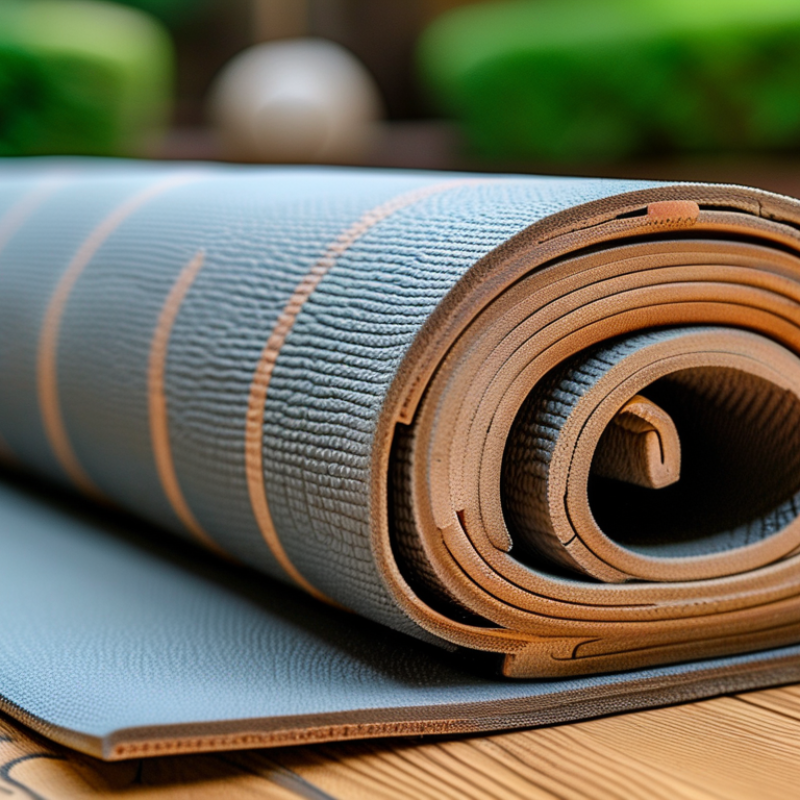
Understanding EVA Material and Its Benefits for Yoga Mats
EVA, or ethylene-vinyl acetate, is a popular choice for yoga mats. This material is lightweight, flexible, and resistant to UV rays. EVA mats provide a cushioned surface, promoting comfort during practice. Their closed-cell structure helps prevent moisture absorption, ensuring cleanliness and durability. These features make EVA mats appealing to both beginners and experienced yogis.
However, some drawbacks exist. EVA mats can sometimes be less grippy than other materials, especially when wet. This could lead to slips in certain poses. Additionally, while EVA is generally durable, it might wear out faster with frequent use. Practitioners need to evaluate their needs and yoga styles before choosing an EVA mat. Specific poses may require more stability and grip, so consider these factors carefully.
One benefit of EVA is its affordability. Many practitioners appreciate budget-friendly options without compromising on quality. It's important to weigh the balance between cost and durability. Each practitioner's needs vary, and understanding the material is key. Reflecting on your yoga routine and preferences will guide you to the best EVA mat for your practice.
How to Choose the Best EVA Yoga Mat for Your Practice?
| Feature | Description |
| Material | EVA (Ethylene Vinyl Acetate) is lightweight, durable, and offers excellent cushioning. |
| Thickness | Available in thicknesses ranging from 3mm to 10mm to suit different practices. |
| Weight | Lightweight options are ideal for portability, typically weighing between 1 to 2.5 lbs. |
| Grip | Provides good traction even in sweaty conditions, reducing the risk of slipping. |
| Durability | Resistant to wear and tear, suitable for regular use in various yoga styles. |
| Eco-friendliness | Many EVA mats are made with non-toxic materials and are free from harmful chemicals. |
| Price Range | Typically, EVA mats can range from $20 to $60, depending on the thickness and features. |
Key Features to Consider in an EVA Yoga Mat
When selecting an EVA yoga mat, certain features can significantly enhance your practice. EVA, or ethylene-vinyl acetate, is known for its durability and cushioning. According to a recent study, mats made from high-density EVA provide better support, reducing the risk of injury during various yoga poses. A thickness of 6-8mm is often recommended, as it balances comfort with stability.
Another critical feature is surface texture. A textured mat surface increases grip, which prevents slipping during poses. The right amount of friction can enhance performance, particularly in dynamic styles of yoga. A 2022 industry report highlighted that practitioners who used textured mats showed a 30% increase in balance during poses.
Lastly, consider the mat's weight and portability. Lighter mats make it easier to carry, especially for those who frequently attend classes outside the home. However, sacrificing weight for durability is a common dilemma. A compromised mat can lead to a shorter lifespan, causing frustration over time. Remember that your needs may change; the best mat today might not serve as well in the future. Prioritize features that align with your practice, but remain open to reevaluating your choice.
Evaluating Thickness and Density for Comfort and Support
When choosing an EVA yoga mat, thickness and density play a critical role in your practice. A common guideline is that mats range between 3mm to 6mm in thickness. Thicker mats, around 6mm, offer more cushioning. However, they can sacrifice stability, which is essential for balance poses. Conversely, thinner mats provide stability but may cause discomfort during prolonged sessions.
Density also affects the mat's support. High-density EVA mats often resist compression better, maintaining their shape over time. A study from the Yoga Alliance indicates that mats with a density of 150 kg/m³ or more offer optimal support for practitioners. This figure highlights the importance of density for those engaged in dynamic practices like Vinyasa or Ashtanga, where stability is paramount.
Feelings of discomfort may arise from poorly chosen mats. Practitioners often report sore knees or lower back pain when the mat is too thin. Additionally, not every density works for every yoga style. Beginners might struggle with thick mats, feeling less connected to the ground. Reflecting on these details can enhance your practice significantly. Consider what thickness and density best meet your needs before making a choice.
Comparing Surface Texture for Grip and Stability
Choosing the right EVA yoga mat involves understanding surface texture. Grip and stability play a critical role in your practice. A textured surface can greatly enhance your performance. The right grip prevents slipping during challenging poses. It's crucial for maintaining balance and focus.
When you evaluate mats, consider the depth of the texture. A deeper texture offers a firmer hold. However, too much texture can create discomfort during floor poses. Strike a balance for your needs. Smooth surfaces may appeal to some, but they can lack traction. Reflect on your usual practice style. Do you frequently transition between poses? This will help guide your choice.
Another aspect to ponder is the wear of the mat over time. A mat that feels grippy today may lose its texture with use. Regular maintenance is key to preserving the surface quality. Be mindful of this when investing in a new mat. Ultimately, consider how the chosen texture aligns with your goals. Your ideal mat should support your journey, not hinder it.
Assessing Durability and Eco-Friendliness of EVA Yoga Mats
When selecting an EVA yoga mat, assessing durability is crucial. A mat's lifespan depends on its material strength. EVA, or ethylene-vinyl acetate, is lightweight yet resilient. It resists wear and tear from regular use. Look for mats with thicker construction for extra durability. However, some mats may still wear out faster than expected. Regular maintenance is essential to extend their life.
Eco-friendliness also plays a significant role. EVA mats often claim to be more environmentally friendly than PVC mats. However, the manufacturing process can vary widely. Check for certifications that indicate a commitment to sustainability. It’s worth researching the source of the materials. Not all EVA mats are created equal. They may release harmful chemicals during production, which can affect the environment. Striving for a more eco-conscious choice requires careful consideration of these factors.
Durability and Eco-Friendliness of EVA Yoga Mats
