How to Choose Decorative Rock for Landscaping?
Choosing Decorative Rock For Landscaping involves more than matching colors with a garden wall. The right material must suit your soil, climate, drainage, and daily use. A bright white stone may look striking in photographs, yet it can reflect intense sunlight and show dirt quickly. Dark river rock may feel natural, but it can become hot beside patios.
Experienced landscapers usually begin with the site, not the catalog. Observe where water collects after rain. Check whether children, pets, or vehicles will cross the area. Measure the coverage carefully, because a thin layer often exposes fabric and weeds. For paths, select stones with stable shapes and comfortable surfaces. For drainage zones, use clean rock sizes that allow water to move freely.
I once underestimated delivery access on a small residential project. The stone was excellent, but moving several heavy bags through a narrow gate added hours. That mistake still influences how I plan material choices. Local suppliers, landscape professionals, and university extension resources can provide dependable guidance. Ask about stone origin, dust content, color changes, and maintenance needs. Request a sample first.
No rock is perfect. Some choices trade beauty for easier upkeep. Others cost more but remain stable for years. This guide explains how to compare texture, size, color, function, price, and environmental fit. With careful observation and realistic expectations, you can create a landscape that looks intentional and performs well through changing seasons.
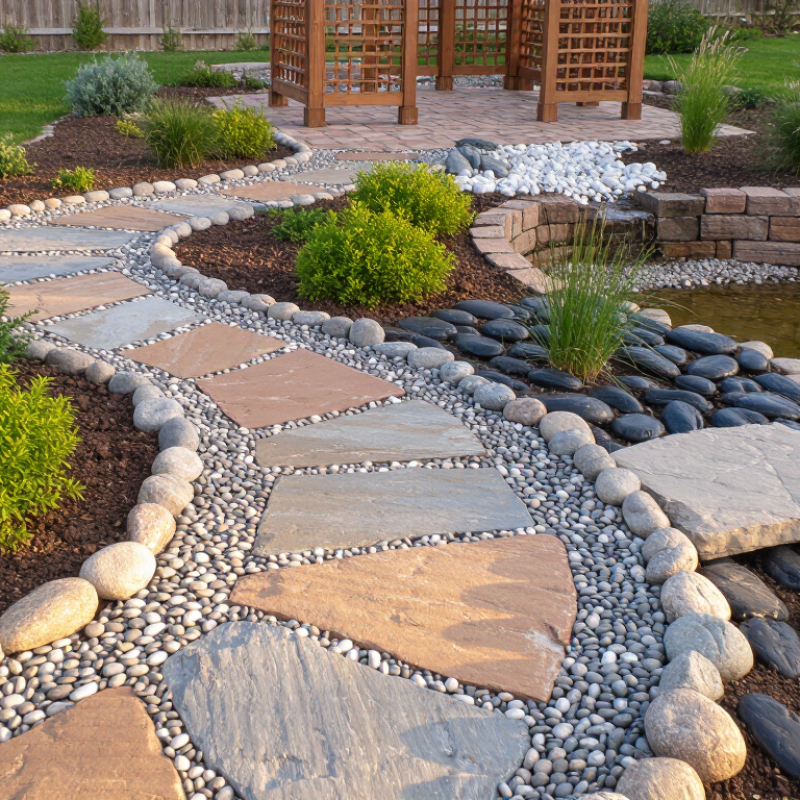
Define Your Landscaping Goals and Site Requirements
Before choosing decorative rock, define what the landscape must do. A dry garden may need heat-tolerant stone and excellent drainage. A sloped bed may need angular pieces that resist movement after heavy rain. In my projects, I measure runoff paths before discussing color. That small step prevents expensive rework.
Study the site at different times of day. Note sunlight, wind, soil moisture, and nearby downspouts. Dark rock can absorb heat beside south-facing walls. Pale rock may show dust quickly near unpaved driveways. Test a small sample in place for one week. It may look different than expected. Rock size should match use. Fine gravel suits paths, while larger stones work better around shrubs and drainage areas. Leave enough depth to reduce soil exposure, but avoid burying plant crowns.
Your maintenance goals also affect the choice. If you want fewer weeds, prepare the soil carefully and install clear edging. Rock can still shift into lawns or drains. For children and pets, avoid sharp edges and unstable layers. Check delivery access before ordering; a narrow gate may require smaller loads. Ask a local landscape professional about regional weather and stone weight. I sometimes overestimate how much color matters. Function usually decides better. Leave room for future planting, seasonal growth, and occasional raking.
Compare Decorative Rock Types, Sizes, Colors, and Textures
How to Choose Decorative Rock for Landscaping?
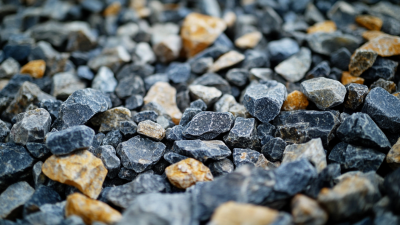
Choosing decorative rock starts with purpose, not color. In my landscape projects, I compare drainage, foot traffic, slope, and maintenance first. Crushed stone locks together and suits pathways or level planting beds. River rock has rounded edges, making it useful around drains and gentle borders. Lava rock is lightweight and porous, but its rough surface can trap leaves. Smooth pebbles create a calm appearance, yet they may shift under repeated walking.
Size changes both performance and visual balance. Small gravel fills narrow spaces and highlights plants, but wind and rain can move it easily. Medium rock offers better stability around shrubs. Large stones create bold texture and reduce the amount needed for coverage. Texture changes the mood. Test it wet. Wet stone often appears darker and more dramatic than expected. Pale rock can brighten shaded beds, while dark rock gives strong contrast against silver foliage. However, dark surfaces may become hot in sunny areas.
I once selected a color from a tiny sample and regretted it after installation. The larger area looked much heavier. Now I place several samples beside paving, soil, and mature plants. I also check the rock after rain and under afternoon light. A three-inch layer usually provides useful coverage, but deeper beds can hide edging and smother low plants. Local stone often looks more natural, though that preference is not universal. Personal taste still matters, sometimes more than design rules.
How to Choose Decorative Rock for Landscaping?
Compare decorative rock types by their typical particle size. Smaller materials create a finer, more uniform surface, while larger stones provide stronger visual contrast and a more natural texture.
The values show approximate midpoint diameters based on commonly sold size ranges: pea gravel is usually fine and smooth, crushed stone is angular and compact, marble chips are bright and polished-looking, lava rock is lightweight and porous, and river rock is rounded with a coarser texture. Actual sizes, colors, and textures vary by local material source.
Calculate Material Quantities, Costs, and Installation Needs
How to Choose Decorative Rock for Landscaping?
Price the installed surface, not just the rock pile.
The U.S. Geological Survey’s Mineral Commodity Summaries 2024 reports about
1.5 billion metric tons of crushed stone produced in the United States during 2023.
Its average value was near $16 per metric ton, but decorative rock costs more after screening, color selection, packaging, and delivery.
Freight can become the largest surprise.
Measure the area carefully.
Multiply length by width, then multiply by depth.
A 20-foot path, 4 feet wide, and 3 inches deep needs
20 cubic feet, or about 0.74 cubic yards.
If the supplier lists a density of 1.4 tons per cubic yard, order roughly
1.04 tons.
Add 10 percent for uneven ground and settling.
My first estimates often failed at irregular edges. Recheck them.
Build a complete cost sheet.
Include rock, delivery, landscape fabric, edging, base material, disposal, and labor.
The Bureau of Labor Statistics’ May 2023 wage data places landscaping and groundskeeping pay broadly around
$17 to $18 per hour nationally.
Contractor charges will be higher because they include equipment, insurance, travel, and overhead.
Installation may also require grading, compaction, wheelbarrow access, and drainage correction.
Ask for density, coverage depth, minimum delivery fees, and cleanup in writing.
A low material quote can still produce an expensive finished path.
Select, Prepare, and Maintain the Best Decorative Rock
How to Choose Decorative Rock for Landscaping?
Select, Prepare, and Maintain the Best Decorative Rock
Choosing decorative rock begins with the landscape’s purpose, not its color. Smooth river stones suit borders, while angular gravel stays firmer on sloped paths. I check the site after rain because water reveals problems that dry soil hides. Pale rock can brighten a shaded bed, but it may show dirt quickly. Dark stone absorbs heat and can stress shallow-rooted plants during hot weather.
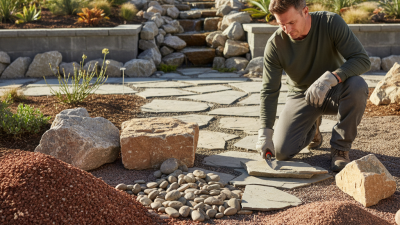
Prepare the area carefully. Remove weeds, roots, and loose soil before leveling the surface. Install sturdy edging to keep stones from spreading into lawns or walkways. A permeable landscape fabric can reduce weed growth, although it will not replace regular maintenance. I usually spread rock two to three inches deep, depending on its size and location. Measure twice. Once, I placed thin gravel beside a downspout, and runoff scattered it across the path.
Maintenance stays manageable when drainage works properly. Rake displaced stones back into place after heavy rain, and remove leaves before they decompose between the pieces. Wash dusty rock with a gentle hose, but avoid directing strong water toward delicate plants. Inspect edging every season for gaps or lifted sections. Some weeds will still appear. Pull them while young, rather than disturbing the entire bed later. Replenishing a small amount of matching rock each year often looks better than replacing the whole area. I still reconsider fabric in planting beds, because soil improvement and easy access sometimes matter more than perfect weed control.