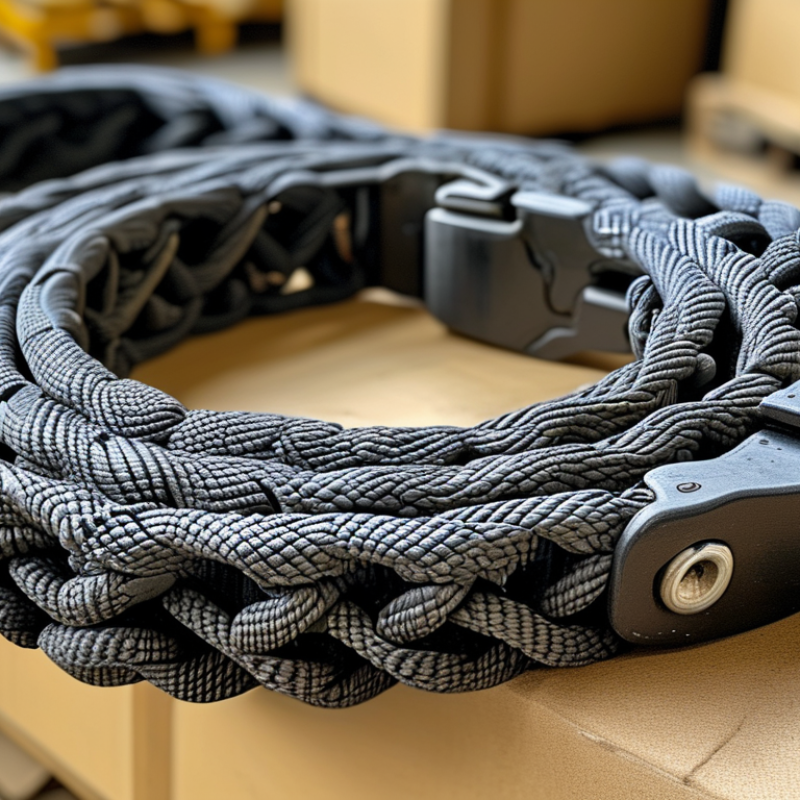
How to Choose the Best Cargo Straps for Your Needs?
When securing cargo, the choice of Cargo Straps is crucial. These straps come in various materials, strengths, and designs. Selecting the wrong type can lead to accidents or damage. It’s more than just picking a sturdy strap; it's about understanding your specific needs.
Quality cargo straps possess unique features. Some are designed for heavy-duty loads, while others cater to lighter applications. The right cargo strap ensures your items remain secure during transport. Experience tells us that failing to choose wisely can result in costly losses. Evaluating weight limits and durability is essential.
Moreover, user feedback plays a significant role in this decision. Reading reviews can shed light on a strap’s real-world performance. Straps that work well for one type of cargo may not suit another. Be mindful of your specific requirements. Take the time to research and reflect on the best options for your needs.
Understanding Different Types of Cargo Straps Available on the Market
When selecting cargo straps, it's crucial to understand the different types available on the market today. There are primarily two categories: ratchet straps and cam buckle straps. Ratchet Straps are ideal for heavy loads. They provide strong tension and stability. A study by the National Institute of Standards and Technology found that proper tension can reduce load shifting by up to60%. However, using ratchet straps requires some skill. Improper use can lead to accidents or cargo damage.
On the other hand, cam buckle straps are better for lighter loads. They are easier to use and do not require much strength. These straps are designed for quick setups, making them a favorite for many. The Commercial Vehicle Safety Alliance reported that 80% of cargo-related incidents occur due to insufficient tie-downs. This highlights the need for choosing the right type and ensuring they are used correctly.
Additionally, materials used in cargo straps vary widely. Polyester is common due to its strength and resistance to UV rays. Yet, not all polyester straps are of the same quality. Thickness and weave can impact the overall strength. Therefore, careful evaluation of specifications is necessary. It’s essential to reflect on how different choices affect safety and effectiveness in transport logistics.
Evaluating Weight Capacity and Strength Requirements for Your Cargo
Choosing the right cargo straps is essential for ensuring the safety and security of your loads. Evaluating weight capacity and strength requirements should be at the forefront of your decision-making process. Not all straps are created equal. Some can stretch or break under pressure, causing damage.
Consider the total weight of your cargo. This includes any excess items you may not initially account for. Understanding the load's nature allows for better strap selection. Check the strap's rated capacity. Often, straps will have a load limit printed on them. Choose straps that can handle more than your maximum weight. This provides extra safety.
Tips: Always inspect straps for wear and damage. A small fray can lead to failure. Store them in a dry place to prevent mildew. This prolongs their lifespan, maintaining effectiveness and safety.
Weight distribution matters as well. Uneven weight can cause strains on the straps, increasing the risk of failure. When using multiple straps, distribute the load evenly across them. Regularly reassess your setup, especially during long hauls. Periodic checks ensure everything remains secure. Each delivery is an opportunity to improve your strategy.
Choosing the Right Materials for Durability and Weather Resistance
When choosing cargo straps, the materials you select significantly impact durability and weather resistance. Nylon and polyester are popular choices. Nylon offers excellent elasticity, making it strong and reliable under strain. However, it can absorb moisture, which may weaken its structure in wet conditions. Polyester, on the other hand, does not absorb water, making it ideal for outdoor use. It’s UV resistant, which protects against sunlight degradation.
Consider the environment where you'll use the straps. If you're in a humid area or expect rain, polyester may suit your needs better. Look for straps with reinforced stitching, as this enhances durability over time. It’s essential to check the weight capacity as well. Sometimes, the manufacturer's rating may not tell the whole story. User reviews often highlight issues with wear and tear that aren’t evident at first glance.
Straps should also include protective features like rubber grips or soft loops. These small details help prevent slipping and reduce wear on your cargo. It’s wise to invest time in researching materials and user feedback. Making the wrong choice can lead to safety concerns or damage to your belongings. A thoughtful selection process fosters the right balance between performance and reliability.
Examining the Importance of Length and Adjustment Features in Cargo Straps
Choosing the right cargo straps is essential for safety and efficiency. Length is a crucial factor in this selection. According to industry data, the optimal length for cargo straps typically ranges from 10 to 30 feet. This range provides the flexibility needed to secure different types of loads effectively. A strap that is too short may lead to inadequate load security, increasing the risk of accidents.
Adjustment features enhance the usability of cargo straps. Adjustable straps allow users to cinch loads tightly, reducing movement during transport. Reports indicate that adjustable cargo straps can improve load stability by up to 40%. This flexibility is crucial, especially when dealing with irregularly shaped items. Users must consider the ease of adjustment. Complicated mechanisms can lead to frustration and wasted time.
Carefully examining both length and adjustment features fosters informed decisions. Many users overlook these aspects, leading to inadequate load securing. Regular reevaluation of these factors is necessary, particularly for businesses with varying cargo sizes. Balancing these elements ensures maximum safety during transportation. Opting for longer, adjustable straps generally serves diverse needs better than fixed options. Understanding the importance of these features can enhance reliability in transport scenarios.
Identifying Safety Standards and Compliance for Reliable Cargo Strapping
When selecting cargo straps, understanding safety standards is crucial. Different industries have various regulations. Compliance with these standards ensures that cargo is secured effectively. For instance, the Department of Transportation mandates specific load capacities for different strap types. Familiarizing yourself with these requirements is essential for safe transport.
Reliable cargo strapping must also consider weight ratings. Overloading can lead to accidents. Choosing straps with adequate ratings is vital. Many users overlook this aspect, resulting in safety hazards. Always check for tags that list these ratings clearly. The material of the straps matters too. Polyester is often recommended due to its strength and resistance to weather elements.
Regular inspection of cargo straps is necessary. Wear and tear can compromise safety. Look for frayed edges or melted sections. These indicators signal the need for replacement. It's not uncommon to find businesses using worn-out straps. This negligence can have serious consequences. Establishing a routine check will ensure optimal performance and compliance with safety standards.