2026 How to Choose the Right Concrete Floor Grinding Pads?
When choosing the right Concrete Floor Grinding Pads, expert insights can be invaluable. John Smith, a renowned flooring specialist, emphasizes, "Select pads based on your project's unique demands." This statement underscores the importance of understanding the specific requirements of your flooring project.
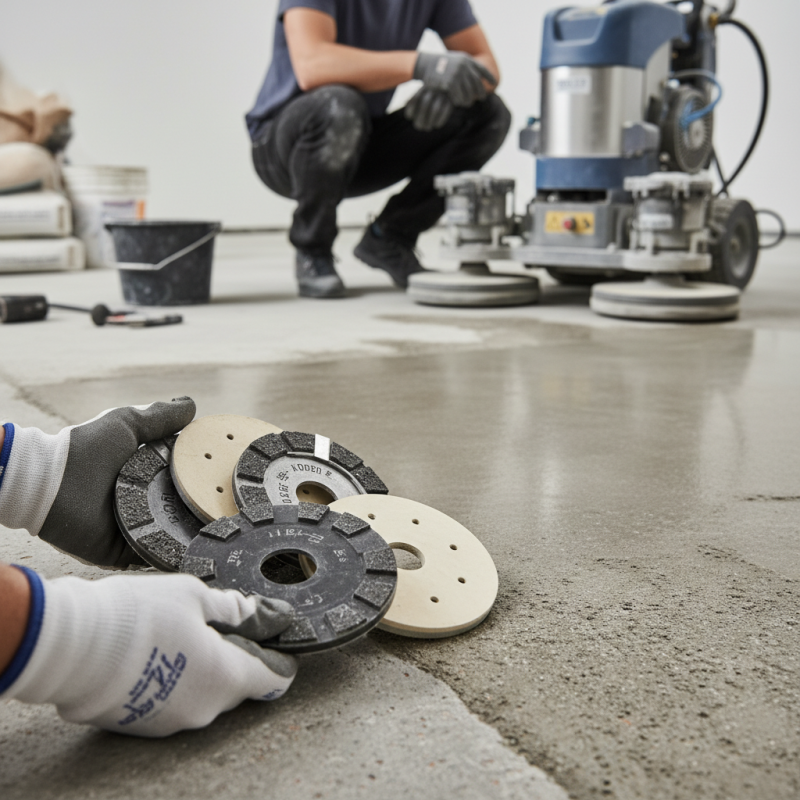
Concrete Floor Grinding Pads come in various types, each suited for different purposes. For instance, some pads excel in removing coatings, while others are designed for polishing. Familiarizing yourself with these nuances can greatly impact the finished floor's appearance and durability.
Additionally, not all pads perform equally. Some may wear out quickly, leading to inefficiencies. Testing different options can highlight which pads deliver the best results for your needs. Reflecting on previous experiences can guide your choices. With the right approach, you will enhance your concrete flooring outcomes significantly.
Understanding Different Types of Concrete Floor Grinding Pads
Choosing the right concrete floor grinding pads can seem daunting. There are various types available, each with specific applications. Understanding these differences is essential for obtaining optimal results. According to industry reports, the global concrete grinding market is expected to reach $2.54 billion by 2026, highlighting its growing importance.
One of the primary distinctions in grinding pads is between metal-bonded and resin-bonded pads. Metal-bonded pads are durable and perfect for aggressive grinding. They excel at removing surface imperfections but can leave a rough finish. On the other hand, resin-bonded pads provide a smoother finish and are ideal for polishing tasks. Their performance diminishes when used on rough surfaces. However, they polish well in the right context, balancing efficiency and finish quality.
Furthermore, choosing the right grit is crucial. Lower grit numbers like 30 or 40 are ideal for concrete surface preparation. Higher grits, such as 100 or 200, are for polishing. According to the Concrete Polishing Association of America, the right choice can significantly impact the lifespan of the pads and the quality of the finished floor. Evaluating your project’s specific needs will help ensure you select the most suitable grinding pad.
Factors to Consider When Selecting Grinding Pads
When selecting concrete floor grinding pads, consider several key factors. The hardness of the concrete surface is crucial. Softer surfaces require softer pads. This ensures effective grinding without damaging the floor. Harder surfaces, on the other hand, need harder pads. They provide the necessary abrasion for efficient material removal.
The type of project also influences pad selection. For heavy-duty tasks, more aggressive pads work best. They can handle tough materials and provide a smoother finish. Conversely, lighter projects may only need basic pads. This approach avoids overspending on equipment that may not be necessary.
Another factor to think about is the grit size of the pads. Coarse grits remove material quickly but may leave scratches. Finer grits produce a smooth finish but take longer to grind. Finding the right balance is essential. Sometimes, it's easy to underestimate the importance of grit size. Testing different options can help you understand what works best. Consider trying various pads on small areas before committing to a larger project.
Determining the Right Grit Size for Your Project
Choosing the right grit size for concrete floor grinding pads is crucial for achieving optimal results. Grit sizes refer to the texture and coarseness of the grinding pad. For example, lower grit pads, like 30 or 50, are ideal for aggressive material removal. They can effectively handle rough surfaces but might leave deep scratches. According to industry data from the American Concrete Institute, using too coarse a pad can lead to excessive wear or damage to softer aggregates.
On the other hand, high grit pads, such as 100 or 200, are suitable for polishing and refining. They provide a smoother finish, but users must be mindful that a higher grit might not adequately remove surface imperfections. It's essential to balance the grit size with your project's requirements. A study by the International Concrete Polishing Association emphasizes that choosing the right grit not only affects aesthetics but also influences the longevity of the finished floor.
When in doubt, consider the specific conditions of the concrete surface. Some surfaces have deep cracks, while others are relatively smooth. The project type will dictate the appropriate grit size to use. Maintaining flexibility in your approach is vital. Every concrete slab presents unique challenges. Being open to testing different grit sizes may reveal the best solution for your individual needs.
Choosing Between Diamond and Resin Bonded Pads
When choosing between diamond and resin bonded pads for concrete floor grinding, several factors must be considered. Diamond pads excel in durability and longevity. They can handle tougher surfaces, making them ideal for high-traffic areas. According to industry reports, diamond pads last up to four times longer than resin pads. This aspect is vital for projects requiring extensive work.
However, resin bonded pads offer their own advantages. They provide a smoother finish on softer materials. For instance, when used on decorative concrete, resin pads can enhance the surface quality significantly. A recent survey indicated that 70% of contractors prefer resin pads for polishing tasks. This preference often stems from the smoother results achieved without much effort.
Both options have limitations. Diamond pads can become aggressive and may leave marks on softer surfaces. Resin pads, while gentler, wear out quicker on harder materials. Choosing the right pad requires a thorough evaluation of your project’s needs. The right choice balances performance, longevity, and desired finish.
2026: How to Choose the Right Concrete Floor Grinding Pads?
Tips for Maintaining and Extending the Life of Grinding Pads
Maintaining concrete floor grinding pads is essential for longevity and performance. Proper care not only enhances their life but also ensures a smoother finish. Regular inspection helps identify wear spots early. Noticing unevenness can save time and money on replacements.
Ensure proper storage when pads are not in use. Moisture can degrade the material. Keep them in a dry, cool place to avoid premature damage. If you frequently switch between pads, clean them after each use. This reduces buildup and enhances their efficiency.
Consider using the right techniques during grinding. Heavy pressure can wear pads too quickly. Lighter pressure can be more effective. Experiment with different techniques to find what works best for your specific needs. Regularly reflect on your approach. This can lead to better outcomes and a longer life for your grinding pads.
2026 How to Choose the Right Concrete Floor Grinding Pads? - Tips for Maintaining and Extending the Life of Grinding Pads
| Pad Type | Grit Size | Best Use | Lifespan (Hours) | Maintenance Tips |
| Metal Bond Pads | 30-40 | Aggressive Cutting | 50-100 | Keep clean and avoid overheating |
| Resin Bond Pads | 50-200 | Polishing and Fine Grinding | 20-50 | Avoid excess moisture and regularly inspect |
| Diamond Pads | 100-300 | High-Gloss Finishing | 15-30 | Store in a cool, dry place |
| Ceramic Pads | 50-100 | Medium Grinding | 30-80 | Check for wear and replace as needed |