How to Choose the Best Cast Iron Crucible for Your Needs?
Choosing the best Cast Iron Crucible for your needs is crucial for optimal performance in metalworking and foundry applications. A cast iron crucible plays a significant role in melting and pouring metals, with a melting point typically exceeding 1200°C. According to industry reports, the global crucible market is projected to grow significantly, driven by advancements in metallurgy and a rising demand for non-ferrous metals.
When selecting a cast iron crucible, consider its size, durability, and thermal conductivity. A high-quality crucible will withstand thermal shock and resist oxidation. Industry data suggests that proper selection can enhance efficiency and reduce operational costs by up to 30%. However, it is important to note that not all crucibles are created equal, and overlooking specific features may lead to safety hazards or inefficiencies in the process.
Ultimately, understanding your specific needs and evaluating the options based on industry insights is paramount. The right choice of cast iron crucible can significantly impact your work's success, ensuring that your melting and mixing processes are as effective as possible.
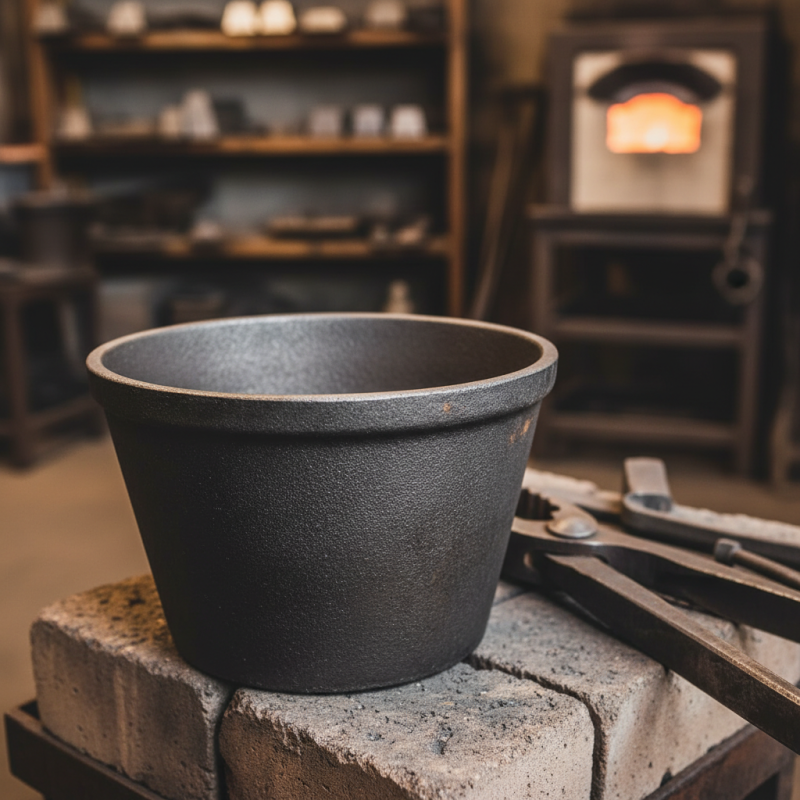
Understanding the Basics of Cast Iron Crucibles
Cast iron crucibles are essential tools for various metalworking tasks. They come in different shapes and sizes, suited for diverse applications. Understanding their basics can enhance your experience.
The construction of a cast iron crucible allows it to withstand high temperatures. These crucibles heat evenly and retain heat well, providing consistent melting results. However, not all crucibles are created equal. Some may crack or warp under extreme conditions, making choice crucial.
When selecting a crucible, consider its size and shape based on your projects. A smaller crucible might suffice for hobby work, while larger models are better for industrial applications. It’s also vital to check for any imperfections. Small flaws can significantly impact performance. Taking time to learn about these aspects can save you frustrations in the long run.
Identifying Your Specific Metalworking Needs
Choosing the right cast iron crucible requires a clear understanding of your metalworking needs. Begin by assessing the type of metals you plan to melt. Different metals require specific temperatures and handling. For instance, aluminum has a lower melting point compared to copper. This determines the type of crucible you need.
Consider the size of your projects. A small crucible is sufficient for hobbyists, while larger operations may require something bigger. Keep in mind the weight and handling. An overly large crucible can be cumbersome, affecting your work efficiency.
Reflect on the frequency of use as well. Frequent users may benefit from investing in a high-quality crucible that withstands wear. However, infrequent users might find a more economical option suitable. Balancing cost and durability becomes key. Think about your unique circumstances and how they align with the various options available.
Evaluating Different Sizes and Capacities of Crucibles
Choosing the right size and capacity for a cast iron crucible is vital for successful metalworking. A crucible's size directly influences how much material you can melt at once. Smaller crucibles, typically holding 1 to 2 liters, are ideal for hobbyists or small projects. Larger crucibles, on the other hand, can handle 5 liters or more. If you're working on larger-scale jobs or need to melt significant quantities, a bigger crucible may be necessary.
When selecting, consider your specific needs. A larger crucible may seem appealing, but it can be cumbersome. Difficulties may arise in handling or transporting heavier materials. Plus, more volume requires more fuel, potentially increasing operating costs. Think about regular projects and their material requirements. If most of your work involves small batches, a medium-sized crucible could strike the right balance.
Reflect on your experience with various sizes. Have you encountered challenges with sizes that were too big or too small? Each size has its pros and cons. Frequent adjustments may be annoying, yet they can guide you in finding the ideal crucible for future endeavors. Testing and experimentation will better inform your decisions. Every experience contributes valuable insights that make choosing the right crucible easier over time.
Comparing Material Quality and Durability Factors
When selecting a cast iron crucible, material quality plays a crucial role. High-quality cast iron provides superior heat retention and durability. Look for crucibles made from heavy-duty cast iron, which withstands high temperatures. This ensures that the crucible can endure repeated use without warping or cracking. Pay attention to the thickness of the walls; thicker walls tend to provide better insulation, which is essential for molten metals.
Durability factors are equally important. A well-crafted crucible should have a smooth finish to prevent sticking and facilitate easy pouring. Any imperfections in the finish can lead to issues during the melting process. Consider the weight as well; a heavier crucible offers stability and reduces the chance of tipping over. It's worth noting that not all cast iron is created equal. Some may rust more easily or may not hold up under intensive heat.
Reflecting on your own experience is vital. Have you encountered problems with your current crucible? Understand the limitations of lower-quality options. Each casting method may demand different specifications. Take the time to compare different types, and don't rush into a decision.
Examining Price Points and Manufacturer Reputation
When selecting a cast iron crucible, considering manufacturer reputation is vital. A reliable manufacturer often signifies quality control and durability. According to industry reports, 70% of customers prioritize brand reputation when making purchasing decisions. Established manufacturers tend to offer products backed by years of expertise. Brands with a solid history often undergo rigorous testing, ensuring the crucibles can withstand high temperatures and intense use.
Price points also reflect the quality of cast iron crucibles. A recent survey highlighted that 65% of users experienced challenges with cheaper alternatives. These lower-priced options may lack the structural integrity needed for safe melting. Investing in a well-reputed brand can save money in the long run. It may prevent accidents or material failures that come with lower-quality products.
Ultimately, balancing cost with quality is essential. Examine reviews and testimonials before purchasing. Seek feedback from reliable sources. This due diligence can help you avoid brands with inconsistent performance. Many consumers share their experiences, which can illuminate potential pitfalls. Listening to these voices can lead to a well-informed choice.
